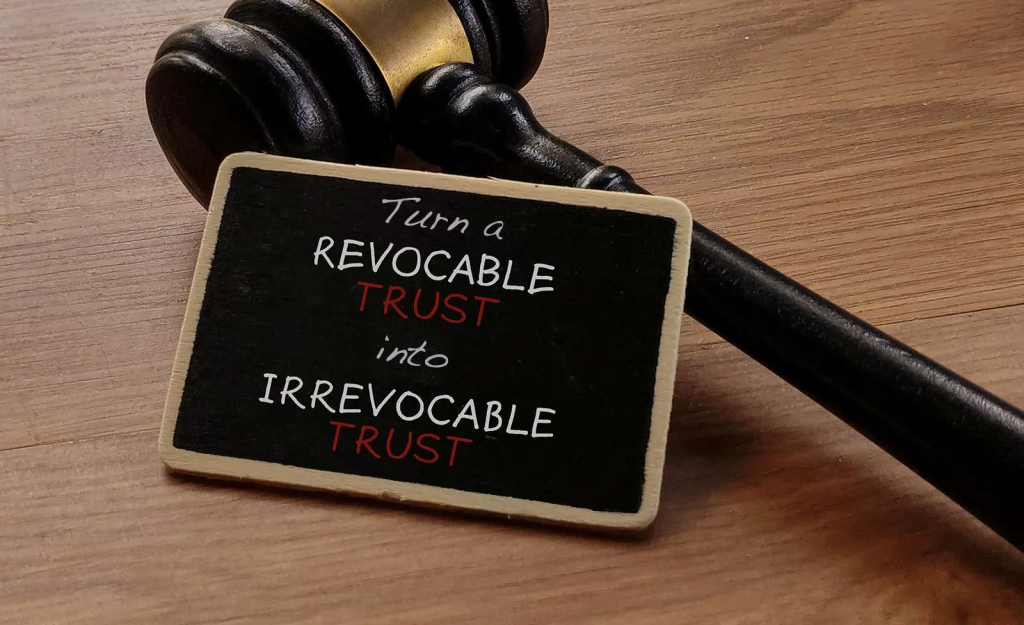
Yes, a properly created and funded trust can help certain assets avoid probate in California. For many families in Wildomar and throughout Riverside County, a revocable living trust can be an important estate planning tool because assets held in the trust can generally pass according to the trust's instructions without going through the traditional probate process. However, simply creating a trust is not enough. Assets generally must be properly transferred into the trust for the trust to accomplish its intended purpose. If you have questions about a trust, probate, trust administration, or a dispute involving trust assets, King Law Firm Attorneys at Law is located at 34859 Frederick Street, Suite 108, Wildomar, CA 92595. Call 951-834-7715 or contact King Law Firm Attorneys at Law to discuss your situation. How Can a Trust Help Avoid Probate? Probate is the court-supervised process that may be used to administer assets remaining in a deceased person's estate. Whether probate is required depends on factors including how assets were owned, their value, beneficiary designations, and the estate planning documents in place. A properly funded living trust works differently. When assets are transferred into a trust, legal title to those assets is held by the trustee according to the terms of the trust. During your lifetime, you may serve as trustee of a revocable living trust and continue managing the trust property. You can also name a successor trustee who can take responsibility for administering the trust after your death or if circumstances described in the trust require a successor to act. Because property properly held in the trust does not need to be transferred through a will at death, those assets can generally be administered outside of probate. Creating a Trust Is Only Part of the Process One of the most important aspects of using a trust for probate planning is funding the trust. Creating and signing a trust document does not automatically place all of your property into it. Depending on the type of asset, additional steps may be necessary to transfer ownership or otherwise coordinate the asset with the estate plan. For example, real estate intended to be held in a trust generally requires appropriate documentation to transfer title to the trustee of the trust. If an asset remains individually owned at death without another method of transfer, the existence of a living trust alone does not necessarily prevent that asset from becoming part of a probate estate. For questions about how a trust may affect probate in California, call King Law Firm Attorneys at Law at 951-834-7715 or request a consultation online. Types of Trusts Used in California Estate Planning There are many types of trusts, and each serves a different purpose. Two broad categories people commonly encounter are revocable and irrevocable trusts. Revocable Living Trust A revocable living trust is commonly used as part of an estate plan. As the name suggests, a revocable trust can generally be amended or revoked by the person who created it while that person is living and has the legal capacity to make those decisions. The person creating the trust may also serve as the initial trustee, allowing that individual to continue managing property placed in the trust. The trust can provide instructions concerning: Who will serve as successor trustee How trust assets should be administered Who should receive property after death When and how beneficiaries receive their distributions How certain property should be handled if the creator becomes incapacitated When assets are properly titled in the trust, the successor trustee can generally administer those assets according to the trust rather than transferring them through probate. Irrevocable Trust An irrevocable trust generally provides substantially less flexibility than a revocable living trust. Depending on the type of irrevocable trust and its terms, the person establishing it may give up significant rights or control over the transferred property. Irrevocable trusts may be used for specific estate planning, asset-management, tax, or beneficiary-related purposes. They should not be viewed simply as a "better" version of a revocable trust. Whether an irrevocable trust is appropriate depends heavily on the circumstances and objectives involved. Does Everything in a Trust Automatically Avoid Probate? No. The important question is not simply whether someone has a trust. It is whether the relevant property was properly transferred to or otherwise coordinated with the trust. This is why periodically reviewing an estate plan can be important. Someone might establish a living trust and later purchase a home, open financial accounts, acquire investments, or receive other property without considering how those assets fit into the existing plan. When property is left outside the trust, additional procedures may be necessary after death. What About Assets With Named Beneficiaries? A trust is not the only way property can potentially transfer outside probate. Certain assets may pass through beneficiary designations, survivorship rights, or other legally recognized transfer mechanisms. The correct approach depends on the particular asset and how ownership and beneficiary designations are structured. An effective estate plan therefore involves more than simply preparing a trust document. The trust, property ownership, beneficiary designations, and other estate planning documents should work together. Why Should a Trust Be Reviewed? Estate plans should not necessarily remain untouched for decades. A review may be appropriate following significant personal or financial changes, such as: Marriage or divorce Birth or adoption of a child Death of a beneficiary or trustee Purchase or sale of significant real estate Major changes in financial circumstances Acquisition of substantial new assets Changes in family relationships or planning priorities Changes in California law may also affect estate planning considerations over time. A review provides an opportunity to determine whether the trust still reflects your wishes and whether assets have been properly coordinated with the plan. What Happens After the Trust Creator Dies? Avoiding probate does not mean that nothing has to happen after death. A successor trustee generally has responsibilities associated with administering the trust. Depending on the circumstances, these duties can include identifying and safeguarding trust property, reviewing the trust's instructions, communicating with beneficiaries, addressing debts and expenses, maintaining appropriate records, and ultimately distributing assets as directed by the trust. Trust administration can also lead to disagreements. Beneficiaries may question a trustee's decisions, distributions, accounting, handling of property, or interpretation of the trust. Trustees may also encounter disagreements among beneficiaries or uncertainty concerning their responsibilities. King Law Firm Attorneys at Law handles trust litigation matters involving trustees, beneficiaries, trust administration, and disputes over trust assets. If you are involved in a trust dispute or have concerns about how a trust is being administered, call 951-834-7715 or contact King Law Firm Attorneys at Law. Can a Trust Guarantee That Probate Will Never Be Necessary? No estate planning document should be treated as an absolute guarantee that probate will never be required. Whether probate or another court procedure becomes necessary depends on the assets involved, how they were titled, their value, applicable California law, and the circumstances existing at the time of death. A properly established and funded trust can nevertheless be an important tool for reducing the amount of property that may otherwise have to pass through probate. Talk With King Law Firm Attorneys at Law in Wildomar, CA Trust and probate issues can become complicated when property ownership, beneficiary rights, trustee responsibilities, or family disagreements are involved. King Law Firm Attorneys at Law is located in Wildomar, California, at: King Law Firm Attorneys at Law 34859 Frederick Street, Suite C Wildomar, CA 92595 If you have questions involving a trust, probate matter, trust administration, beneficiary rights, or trust litigation, call 951-834-7715. You can also contact King Law Firm Attorneys at Law online to request a consultation. This article is intended for general informational purposes and does not constitute legal advice regarding a particular estate, trust, or probate matter.